When Work Becomes Flow
Flow is often misunderstood as a matter of accumulating skills through repetition. In reality it is a transformation from deliberate conscious action toward ease and autopilot. Skill at the highest level stops feeling like work because it no longer requires active management of every detail.
This change from effort to instinct is explained by the Four Stages of Competence as summarized below.
Stage 1/Unconscious Incompetence: In this first stage, individuals are unaware of what they do not know. They may feel confident simply because they have not yet encountered the complexity of the task. Ignorance is quite literally bliss.
Stage 2/Conscious Incompetence: Now the gaps are visible and one hits their first wall. Individuals recognize how far they are from mastery. This stage is uncomfortable because execution is clumsy and errors are frequent, but it’s also foundational. No growth happens without first seeing what needs to change and recognizing how far there is to go.
Stage 3/Conscious Competence: The skill can now be performed, but it requires effort and attention. Execution is slow, deliberate, and mentally taxing. Structured practice dominates. Individuals break down complex actions, isolate weaknesses, and track progress over time. Repetition is key to developing reflexive muscle memory in order to apply skills successfully in high stakes environments.
Stage 4/Unconscious Competence: The skill becomes automatic. Movements flow without conscious oversight. Performance feels smooth, intuitive, and natural but only because of the repetitions that came before. The mind is freed from managing details and can now focus on timing, feel, and context. Creativity and innovation are finally possible and great results start to emerge.
Sachin Tendulkar’s cover drive illustrates this stage. Early in his development phase, he spent hours upon hours ruthlessly practicing foot placement, bat angle, and weight transfer until these movements became automatic. In high stakes matches, he no longer consciously assembled shots. They emerged as fluid actions that left opponents and pundits alike stunned by the quality of skill on display.
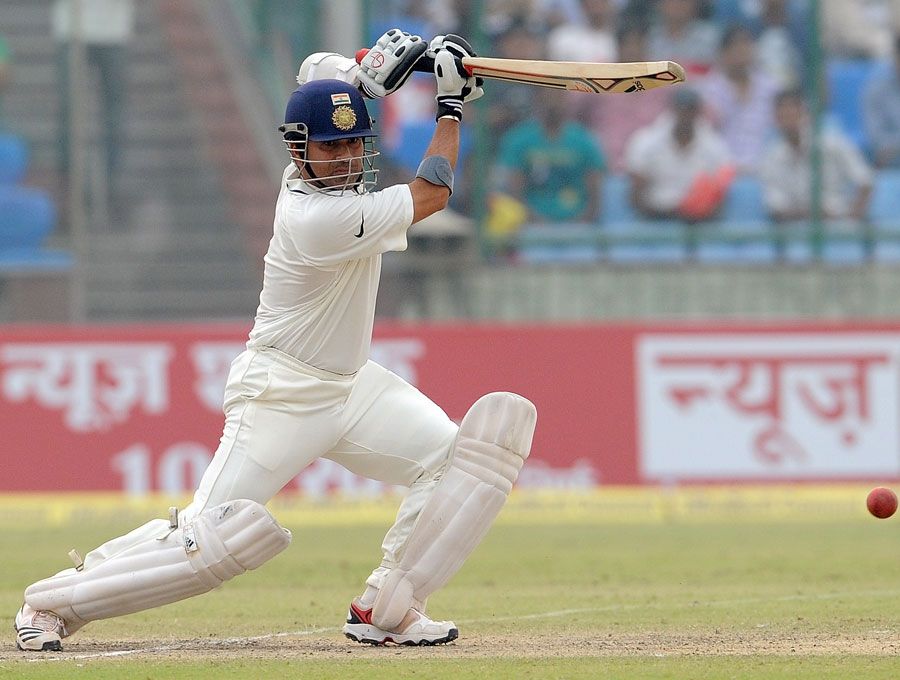
Stage 5/Transcendence: This stage is made up by me though I’m sure people have talked about it before. Transcendence is about more than just executing skills smoothly. It also requires judgment about when and how to apply them. Transcendence is therefore a type of earned wisdom.
The perfect example of transcendence has to be that displayed by Tendulkar for the world to see in the Sydney Test of 2004. Just before this match, Tendulkar accepted that his once punishing cover drive that would give bowlers nightmares had now become a vulnerability with age. So rather than persist with the shot from a place of ego, he removed it from his game overnight, adapting his approach to fit the demands of the match.
His decision demonstrated not just Stage 4 level competence in technical skill but something much more ephemeral. An almost transcendental state of strategic discipline. True flow state is thus also about knowing when not to act, and understanding that adaptation often defines expertise more clearly than technical proficiency alone.